


Starting a new food brand is tough. Setting up your own factory costs a lot of money, and in the beginning, you can’t be sure how well the product will sell. The food market is already full of choices, so there’s always a chance your item won’t take off.
That’s why so many brands pick contract manufacturing. Instead of spending heavily on machines and a factory, they team up with a company that already has the setup ready. It cuts risk and keeps costs low at the start. But what exactly is contract manufacturing in the food world?
What Is Contract Manufacturing in the Food Industry?
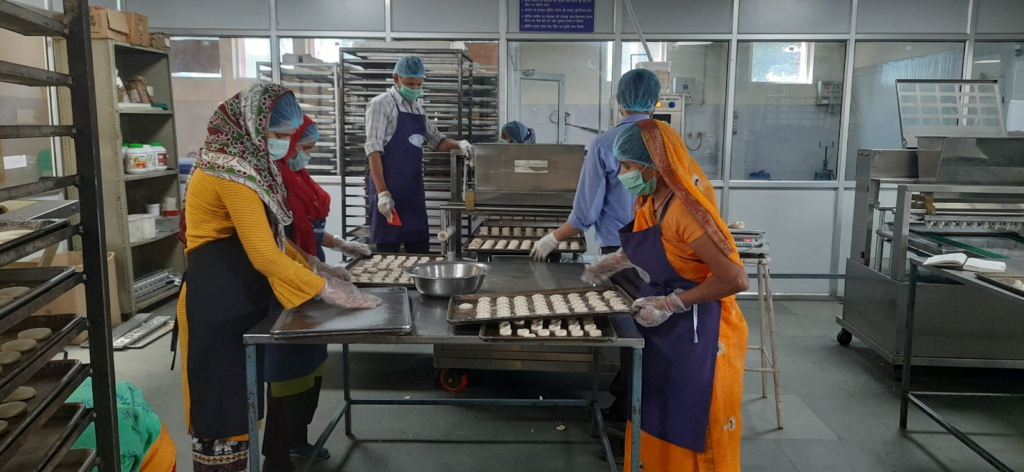
Contract manufacturing in food is when a brand pays another company to produce its food items. The brand keeps the idea and the recipe, but the actual making happens at the manufacturer’s place.
The job can cover everything: finding ingredients, cooking, packing, and getting it ready to sell. Some full-service contract manufacturing services even help tweak recipes so they work well when making big amounts.
Why Food Brands Use Contract Manufacturing
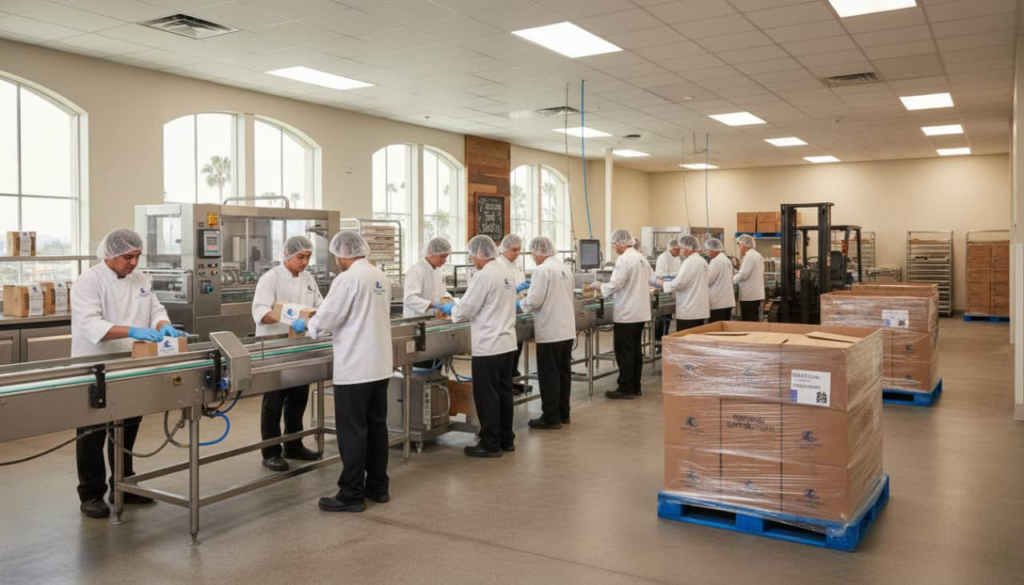
Brands go for contract manufacturing because it saves a ton of money at the beginning. No need to buy expensive machines, hire a big team, or build a whole factory before you even know if the product will sell well. That’s why contract manufacturing feels like a smart move for new brands and ones that are still growing.
It also helps them start selling faster, try out new tastes or ideas, and make way more when lots of people start buying. Brands love this because they can put all their time into thinking of new things, selling, and talking to customers. The making partner takes care of the factory side. In India, more and more brands are doing it this way because people keep wanting more packed food products.
Key Roles of Contract Manufacturers
| Role | What it means | Why it matters |
| Recipe and process support | Some full makers help fix recipes so they work when making big amounts | Makes big production possible |
| Ingredient handling | Finds ingredients, weighs them, keeps track of them | Every batch tastes and looks the same |
| Production | Mixes, cooks, fills packs, or shapes the food | Changes the recipe into real food |
| Packaging and labeling | Puts food in packs and sticks labels on | Makes it ready for shops |
| Quality checks | Checks if it’s safe, clean, and good quality | Stops mistakes and keeps food safe |
These roles show how contract manufacturing goes step by step inside a food organization. Safety rules want super clean factories, people washing hands properly, and watching dangers from the first ingredient to the last pack. Systems like GMP and HACCP help keep those dangers under control in contract manufacturing.
Benefits of Contract Manufacturing in Food Industry
- Lower setup cost: Contract manufacturing stops brands from spending huge money on their own factory and machines.
- Faster launch: A ready setup with contract manufacturing services gets new items to shops much quicker.
- Easy scaling: When more people want it, contract manufacturing lets them make bigger amounts without the brand doing it all.
- Better focus: Brands can spend time selling, understanding customers, and coming up with new ideas.
- Access to experienced safety systems: Lots of contract manufacturing partners already use good, proven safety ways and follow the rules well.
Check out the best healthy snack manufacturers in India and find the right partner to grow your snack brand.
Types of Food Products Made by Contract Manufacturers
Contract manufacturing covers a wide range of food products. Common work includes dry fill packaging, bottling, sauces, seasoning mixes, soups, beverages, frozen foods, and shelf-stable items. Many contract manufacturing units in India also handle packaged snacks, ready-to-eat meals, and spice blends, depending on their setup.
Some facilities also work with acidified or low-acid foods, dry mixes, spices, and other packaged food products. This shows how flexible contract manufacturing can be across different product types.
Challenges in Food Contract Manufacturing
- Quality control: In contract manufacturing, the brand and maker have to agree exactly on taste, feel, size, and look otherwise every pack might turn out a bit different.
- Food safety responsibility: Both the brand and maker share the job of following food safety laws like FDA, USDA, FSMA, or whatever rules the country has.
- Labeling accuracy: Labels need to show the right stuff and follow the rules for where it’s sold.
- Supply chain pressure: Late ingredients, not enough packing material, or full machines can make everything slow.
- Intellectual property risk: Recipes need strong agreements so no one copies or uses them wrongly.
- Communication and contract issues: Clear details on product, price, and regular talks stop arguments between the brand and the making organization.
- Dependency on manufacturer: If the contract manufacturing partner has trouble, everything can stop.
- Cost at low volumes: Small runs in contract manufacturing can end up costing more for each pack.
- Limited control: Brands sometimes can’t make quick small changes or control little things.
- Global compliance differences: Rules are different in every country and can make selling outside tough.
Conclusion
Contract manufacturing has become a strong support system for the food industry. It helps brands save time, manage cost, and grow with less risk when done with clear communication, proper contracts, and strong quality control.
Looking to grow your food brand without big factory costs? Partner with Qoot Food, one of the best private label food manufacturers in India, and scale faster with expert support.

