



Gluten-free snacks are easy to find these days. But not all of them are suitable for everyone. Some people have to avoid gluten because it actually harms their bodies. Others just follow it as a choice. In both cases, it helps to know exactly what you are eating.
In India, lots of people still don’t know much about gluten issues. Some ignore the symptoms or take a long time before getting the right test done. That is why a little basic knowledge is useful before you make any big changes to your food habits.
What Are Gluten-Free Snacks?
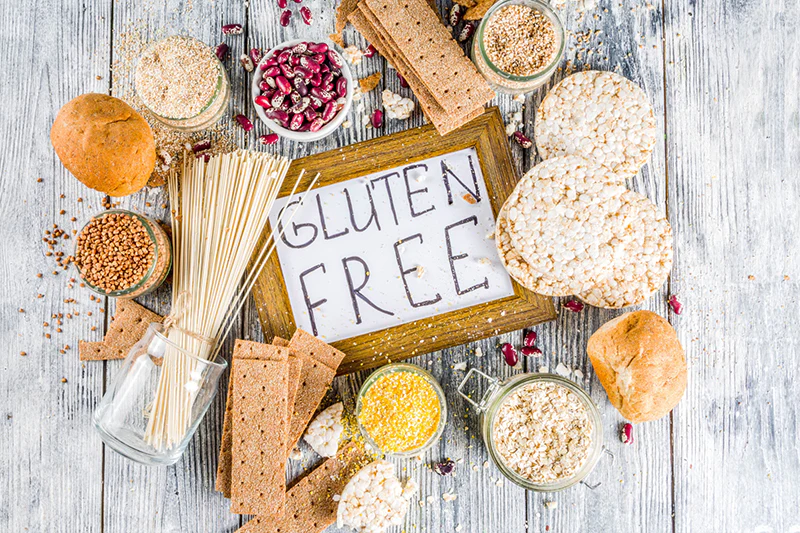
Gluten is a protein that comes in wheat, barley, and rye. In India, according to the Food Safety and Standards Authority of India, a product can only be called gluten-free if it has less than 20 mg/kg of gluten.
Even so, just seeing the label is not enough. Some packed foods can get mixed with gluten while they are being made.
Many everyday foods are already gluten-free snacks and don’t even need a label. These include:
- Fruits
- Vegetables
- Nuts and seeds
- Curd
- Popcorn
- Roasted chana
- Boiled corn
- Rice items
These are often the best choices because they are fresh.
Who Needs Gluten-Free Snacks
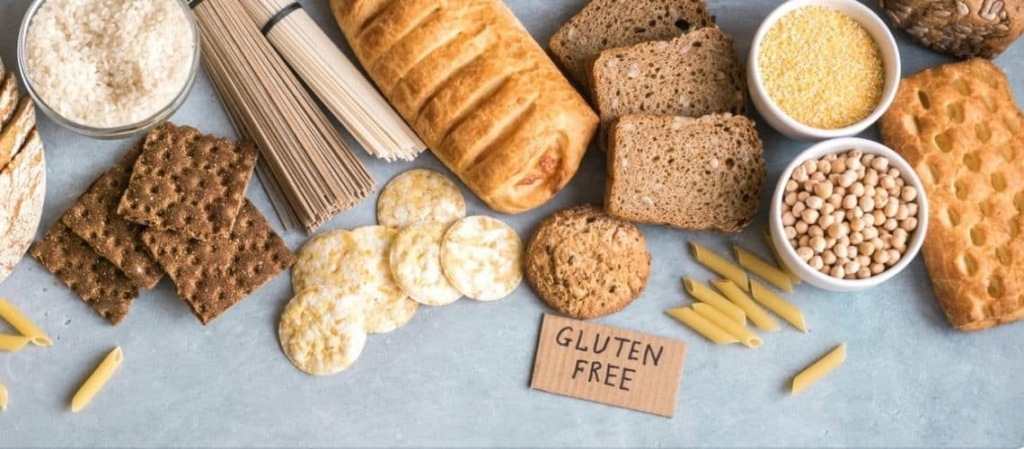
People who have celiac disease must stay completely away from gluten. Even a tiny bit can cause damage inside the body. It is not only about stomach pain. It can also stop the body from absorbing nutrients properly.
In India, this problem is more common in the north because people there eat a lot of wheat. Many don’t even realise they have it.
Doctors usually confirm it with:
- Blood test
- Intestine check if needed
Never try to figure this out by yourself.
Some people feel better after cutting out gluten, but that does not always mean they have the disease. Others might have a wheat allergy, which is something different.
Symptoms of Gluten Allergy or Sensitivity
Symptoms can be different for each person. Some feel it in the stomach, others feel it in the whole body.
Common signs include:
- Stomach pain or cramps
- Bloating and gas
- Diarrhea or constipation
- Tiredness without a clear reason
- Headache
- Weight loss (in serious cases)
- Skin rashes or itching
In children, it can also affect growth.
These signs may look normal, so many people ignore them. In India, this is one reason why diagnosis gets delayed.
If these problems happen again and again after eating wheat foods like roti or bread, it is better to check with a doctor instead of guessing.
Ingredients to Watch Carefully
In Indian food, gluten can hide in many places. Even things that look safe can actually contain it.
Be careful with:
- Ready masalas and spice mixes
- Fried items like pakora or bhajji made in shared oil
- Bakery foods
- Mithai
- Namkeen
- Instant mixes
These can make your gluten-free snacks unsafe.
Hidden Gluten Names
| Ingredient or word | Why to check |
| Wheat (atta, maida, suji) | Direct gluten |
| Barley (jau) | Contains gluten |
| Rye | Contains gluten |
| Malt or malt extract | From barley |
| Wheat starch | May still have gluten |
| Dextrin (from wheat) | Possible source |
Labels in India are not always clear, so read them slowly and check carefully.
Risky Additives and Fillers
Some things are not always bad, but you still need to be careful:
- Modified starch
- Natural flavors
- Yeast extract
- Seasoning mixes
These may or may not have gluten.
Oats can also be tricky. They are naturally safe, but they often get mixed with gluten during processing. Only pick ones that are clearly marked.
Health Benefits and Limits
For those who really need it, gluten-free snacks help manage the problem and keep the body safe. Over time, it also helps the gut heal.
But there is a limit to this.
Gluten-free does not mean healthy. Many packed gluten-free snacks have:
- More sugar
- More fat
- Less fiber
Also, in Indian diets, cutting out wheat can leave some gaps in nutrition.
You may end up missing:
- Iron
- Calcium
- B vitamins
- Fiber
- Zinc
- Magnesium
Better options are simple foods. Fresh fruits, nuts, and homemade items are good choices. These are also great evening snacks and fit easily into daily life.
Myths of Gluten Snacks
- Myth: Gluten-free means healthy
Truth: Many gluten-free snacks are still high in sugar or fat
- Myth: Only roti has gluten
Truth: Gluten can be in masalas, sweets, and fried foods
- Myth: A little gluten is okay
Truth: Even a small amount can harm people with celiac disease
- Myth: All oats are unsafe
Truth: Only some oats are safe if properly processed
Conclusion
Gluten-free snacks can be useful, but only if you pick them with care. Do not trust the label alone. Always check what is inside and how it was made.
In Indian food, hidden gluten is quite common, so stay alert. The best way is to eat fresh and simple food at home.
If you really need gluten-free snacks for your business, you can check our Qoot Food gluten-free snacks. We make contract-based gluten-free snacks with clear and perfectly clean ingredients.

